
How Landopia Does Business
Seller's Disclosure
What we can and cannot tell you about a parcel, in plain English.
A lot of land sellers bury this kind of thing or skip it altogether. We'd rather put it right out front. Buying land you haven't walked is an act of trust, and the fastest way to earn that trust is to tell you the truth about how we do business, what we can stand behind, and what you'll want to check for yourself. Here it is, plain as we can make it.
— Erik Peterson, Founder
Who we are
We own the land we sell. Landopia and its affiliated companies are the owners of record on the parcels listed here, so this is a for-sale-by-owner operation, not a brokerage. When you buy, you're buying directly from us and financing directly with us. No agent, no bank, no middleman in the room.
How we get our information
Most of what you see on a listing comes from county records, mapping software, and the photographers and scouts who visit the land. We do our best to make every listing accurate, and we hold to one rule that matters: if we can't verify something, we leave it off rather than guess at it. A blank is better than a wrong answer on something you're spending real money on.
That also means our research has limits. We pull legal descriptions, parcel data, and zoning from county sources, and those sources are not perfect. In most cases, no one from our team has personally walked the specific parcel you're looking at. What we know comes from records and from the people who scout and photograph the land for us. We tell you what we know and we don't dress up what we don't.
What the photos show
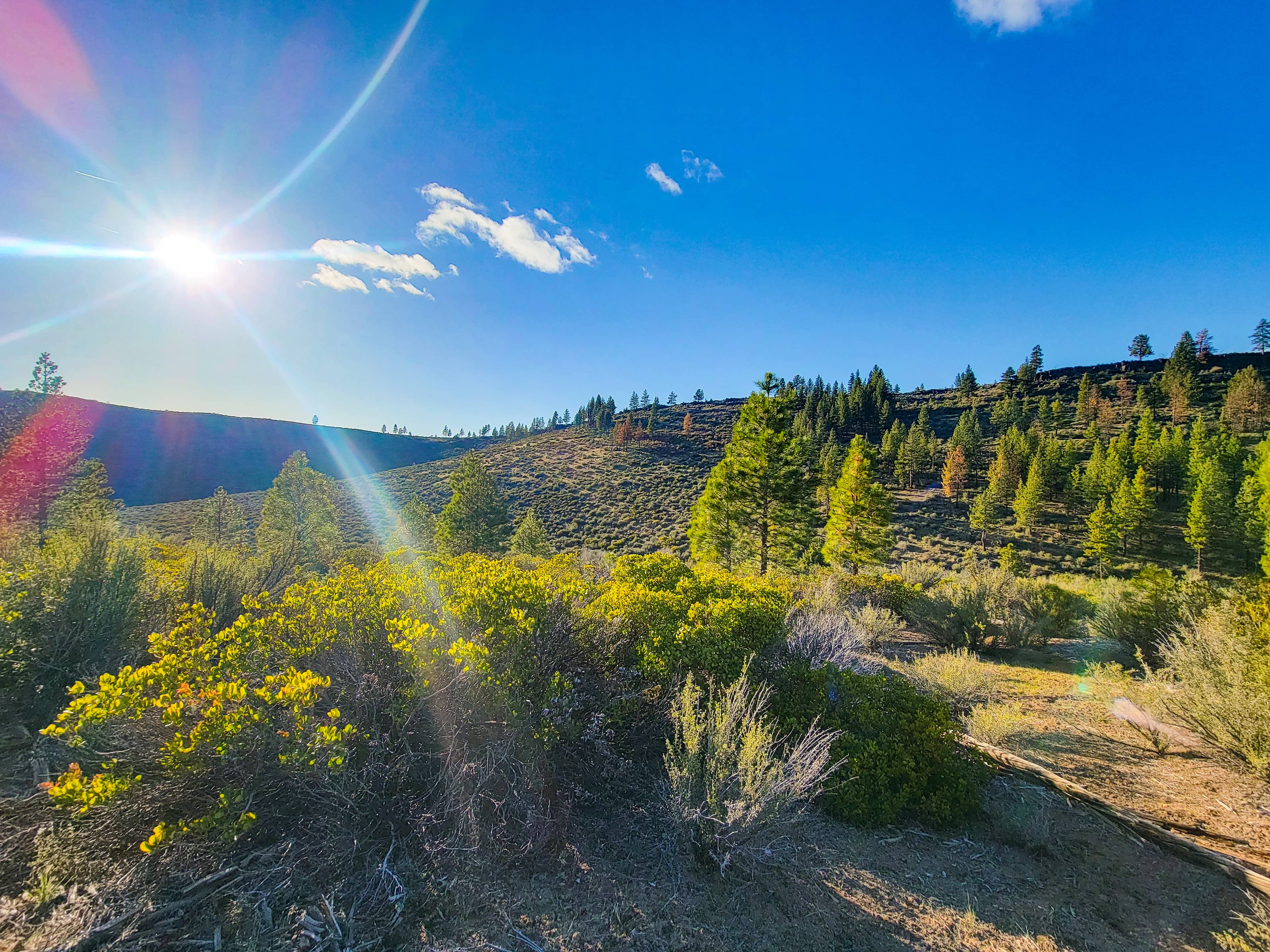
Where a listing shows photos or video of the land itself, they're of that actual parcel unless the listing says otherwise. We don't stage fake sunsets or drop in scenery that isn't there.
Not every parcel has a full on-site photo set yet. When the on-parcel imagery is limited, the listing leans on maps, area photos where we have them, and in some cases Google Maps Street View, so you can still get a feel for the setting and what's around it. Anything that shows the surrounding area rather than the exact parcel is there for context, not to stand in for the lines on the ground.
Finding the land: GPS and Land ID are a guide, not a survey
Every listing gives you GPS coordinates and a Land ID map link so you can find the parcel and see its rough boundaries. Those tools are reliable for getting you there and showing you roughly where the lines fall. They are not a survey.
If you're planning to build, run a fence, or do anything that depends on knowing the exact boundary, we encourage you to have the parcel professionally surveyed. The land may have been surveyed or staked at some point in its history, but we don't guarantee that markers are still in place or accurate.
Zoning, restrictions, and your plans
Every parcel sits under some mix of county zoning, building codes, environmental rules, and any covenants written when the land was first subdivided. We do our best to flag what we know on each listing, but the final word always belongs to the authorities with jurisdiction.
If you have a specific plan in mind, a cabin, a well, an RV setup, livestock, a business, contact the city, county, or state office that governs the land and confirm your plan works before you commit. A Land Specialist can point you to the right office and tell you what we already know about a parcel.
See it within your first 100 days
You don't have to walk the land before you buy to be safe about it. That's part of what the Peace-of-Mind Guarantee is for. When you buy on terms, get out and see the parcel within your first 100 days, while your guarantee is still open. Use the GPS coordinates and the Land ID link to find it and walk it. If it isn't what we said it was, you've got that window to step back and get your principal back, so you'll know exactly what you bought before the guarantee runs out.
Whether or not you can make the trip, study the photos, the maps, and the details on the listing, and ask a Land Specialist anything that isn't clear. We'd rather answer ten questions up front than have you guess.
The deed you get
On the vast majority of our parcels, you receive a warranty deed when the land transfers into your name. In rare cases we use a special warranty deed, and each property's paperwork spells out which deed applies.
Because most of our sales are owner financed, the deed transfers at title transfer, which is when the parcel is paid off, not on the day you sign. While you're paying, you have the right to use the land under the agreement; the deed comes to you at the finish. The full story on deed types is on our Warranty Deed page.
Property taxes
While you're paying on a parcel through us, we handle the property taxes. At title transfer we bring everything current as part of a clean handoff, so the land comes to you square with the county. After the deed is in your name, future property taxes are your responsibility, whether or not the county mails you a notice.
Mineral rights
Unless a listing says otherwise, mineral rights are generally not included with the parcels we sell, and in many cases we don't know who currently holds them. On most raw land, the mineral rights were severed from the surface years ago, often by developers or oil and gas interests long before we acquired the parcel.
For the large majority of our buyers this never becomes a real issue. You're buying the surface to camp on, build on, or hold, and in most cases nobody is going to show up wanting to drill in your backyard. If owning the mineral rights matters to you on a specific parcel, raise it before you buy. Tracking down the current mineral owner and trying to acquire those rights usually means working with a landman, and a Land Specialist can walk you through what we do and don't know about a given parcel.

What’s Different About Buying From Us
You're not on your own.
Here's where we part ways with most land sellers. A lot of them end a page like this with three words: all sales final. We don't.
When you buy on terms, you're covered by the Peace-of-Mind Guarantee. If the parcel isn't what we said it was, you have 100 days to walk away and get your principal back. You also have the 365-Day Property Exchange, which gives you a full year to trade into a different parcel if your first pick turns out not to be the right fit. We tell you the honest, unvarnished truth about the land, and then we stand behind your purchase anyway. Both of those exist because we know you're buying something you may not have walked yet, and we think the risk of that should sit with us, not all on you.
Cash purchases are final and sold as-is, so if you're paying cash, do your diligence first and lean on a Land Specialist before you close.
Talk to a Land Specialist
Questions before you buy
If anything on a listing isn't clear, or you want to know what we do and don't know about a specific parcel, talk to a Land Specialist before you put money down. Call or text, or reach out from any active listing. We'll level with you on what we've got.
Call or Text 615-987-0908The ones we get asked most.
Does the parcel come with a survey?
Some parcels have existing surveys from prior owners; some don't. Ask a Land Specialist whether a survey exists for the parcel you are looking at. Where a survey doesn't exist, the county assessor's records and the Land ID link show you roughly where the lines fall. They are not a survey.
Can I visit the parcel before I buy it?
Yes, of course. Drive out, walk it, see it for yourself. The honest tradeoff: most parcels in our active inventory are listed publicly to other buyers at the same time, so if you wait a week or two to visit before claiming, the parcel may sell to someone else in the meantime. That has happened. On a terms purchase, the 365-Day Property Exchange and the Peace-of-Mind Guarantee both exist for buyers who claim a parcel and then decide it isn't the right fit after they've seen it. Cash purchases are final and sold as-is.
Can I build a cabin, drill a well, or install septic?
Use rights start the day you're under contract: camping and recreation within county rules. Anything you'd add to the land, ask a Land Specialist first. Fences and driveways need our written approval and some payment history. Wells, septic, foundations and any dwelling wait until the note is paid in full and the deed transfers.
What kind of deed will I get when I pay off the note?
A warranty deed, unless your specific contract notes otherwise. The warranty deed is the strongest deed a buyer can receive. We stand behind the title and warrant that the parcel is free of undisclosed claims, liens, or encumbrances at the time of transfer.
How are property taxes handled?
We handle them during the contract. A small piece of your monthly payment goes into escrow for taxes, and we pay the county directly. When the deed transfers, the taxes are current and you take ownership clean.
Does the parcel come with mineral rights?
Most of the time, no. Mineral rights are separated from surface rights on the majority of US land, and that's true on most Landopia parcels too. This isn't unique to us. On rare occasions, all or a portion of the mineral rights do transfer with a parcel. Ask a Land Specialist about the parcel you are looking at.
What if there's an access dispute, neighbor encroachment, or survey issue after I buy?
Parcels are sold as-is. Access disputes, neighbor encroachment, survey questions, and similar parcel-condition issues are the buyer's responsibility to address after the sale. Where we stand behind the parcel is on title: if a title issue, lien, or encumbrance that we didn't disclose comes up at transfer, that's on us, and we will make it right.
We'd rather tell you the plain truth about a piece of ground and earn a buyer for life than oversell it and lose you.
— Erik Peterson, Founder
We may update this Disclosure from time to time. The version in effect when you Claim a Parcel is the one that applies to that purchase.