In this guide
You've always wanted to leave the city behind. The high cost of living has crushed your budget, and store-bought food no longer tastes like real food! You desire to create your own homestead with animals on your own land so that your family can grow their own vegetables and raise chickens for fresh eggs. But where do you begin?
The reality is that most people feel overwhelmed the first time they consider rural living. Many are concerned about zoning laws, taking care of animals, and whether or not they will have the ability to produce enough food from their homestead to make it worthwhile.
The good news? Thousands of families are successfully homesteading right now on affordable raw land, and you can too. Let's break down exactly what you need to know.
What Animals Are Allowed on a Homestead?
You have to get out of your head and into the land before dreaming of cows on pasture. Not all land is appropriate for all animals. In general, each rural area has its own set of laws about livestock locations. Understanding what livestock might work in a particular area will help you achieve the success you are planning for yourself.
Check Local Zoning and Regulations
The governing authority for you will be the county. For example, pigs may be welcome in one place but not in the other. You might be able to keep chickens, but not roosters. This is important since roosters watch over the rest of the flock and wake everyone in the area at 4 am.
Before buying any animal, call your county’s local government office to find out how many animals you may be allowed to have on your property, and if you need a special type of permit for keeping livestock. Be sure to ask about the required distances from your property lines to share a boundary with your neighbors, along with any restrictions put in place by an HOA.
Rural counties differ a great deal in what they let you do with a homestead, and the rules that matter are almost always written at the county level rather than the state level. Livestock limits, outbuildings, whether you can live on the land while you build, and what the health department wants for wastewater all change from one county line to the next. Find the county's rules for the specific parcel before you make plans around them.
Best Animals for Small and Large Homesteads
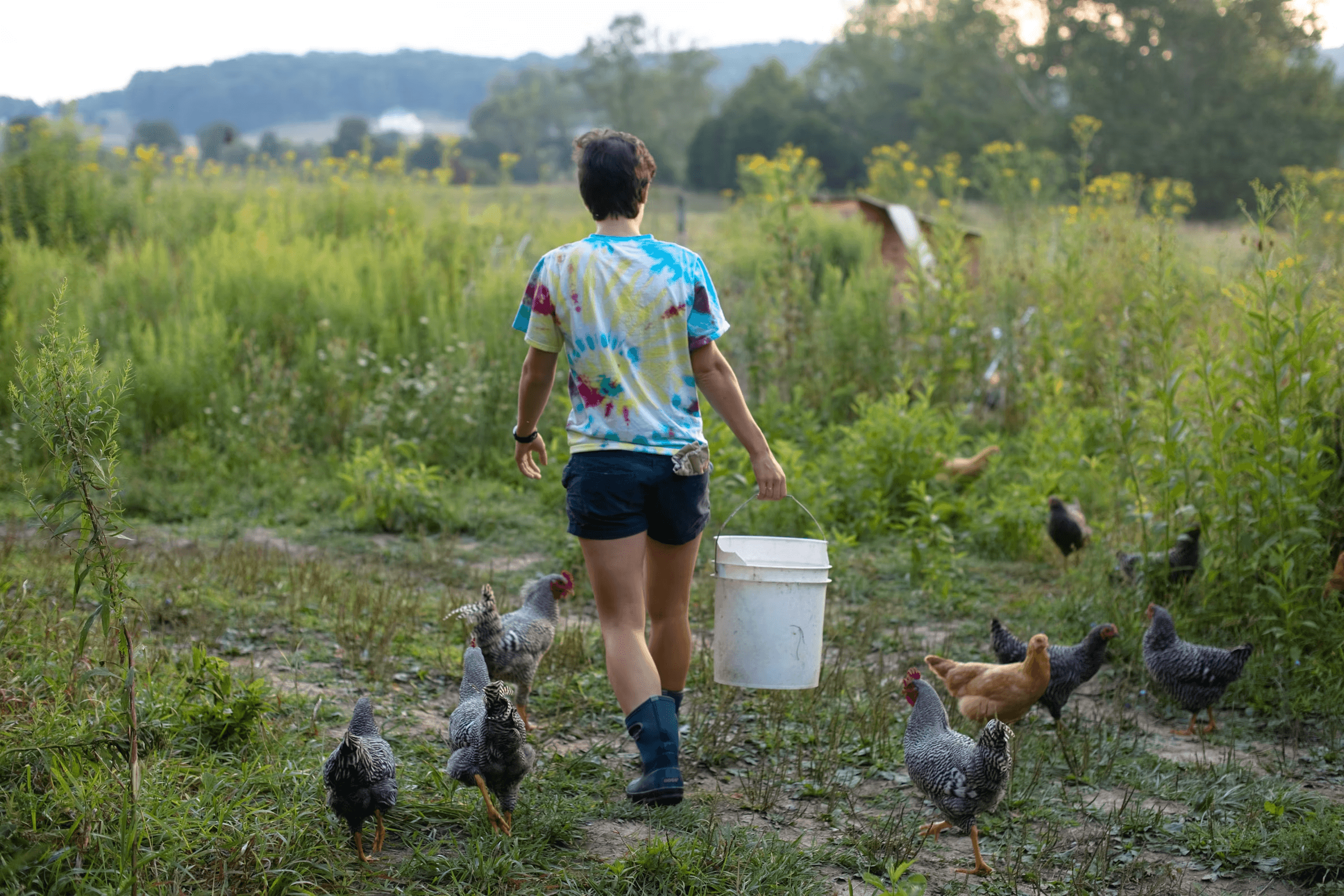
Most people think about starting with chickens when they get started in small-scale agriculture because chickens are the best place to begin. They can turn leftovers into eggs and meat, while at the same time providing fertilizer for your garden. If you keep just six hens, they will provide your family with plenty of fresh eggs every day.
What makes chickens so ideal?
- Extension guidance is 3 to 4 square feet of coop floor per hen, plus about 10 square feet of outdoor run
- You can let them free range during the day
- They eat bugs, weeds, and table scraps
- Their manure enriches garden soil
- Many areas allow hens even on small lots
Another benefit of chickens is that when they stop producing eggs, they become the meat that will be on your plate. Chickens are "dual purpose," so they should have a good home on a homestead. When you have control over the food source and diet of your chickens, you also control the quality of the meat when you prepare it for meals.
Rabbits can easily live in small areas. These animals will not create very much noise, and do not produce many odors, making them excellent choices for those who live in close quarters with others. Rabbits can also be raised for meat, fur, or as pets. A significant benefit of using rabbit manure in your vegetable garden is that you do not have to compost it before applying it to your vegetable garden.
In addition to chickens, quail and ducks also give you other poultry choices. Quail are small, produce eggs very quickly, and take up very little room to raise. Ducks are very hardy, provide pest control, and produce delicious eggs. If you have a pond on your property, it makes raising ducks even easier.
Goats, while they don't require a lot of land, do provide you with milk. Whether they be pygmy or dairy, they will produce milk for you and help in keeping the weeds under control. Two dairy goats will generally provide enough milk for most families. Just keep in mind that goats require secure fencing and are going to require regular maintenance. They will test every single weakness in your fencing because they have the disposition of being escape artists.
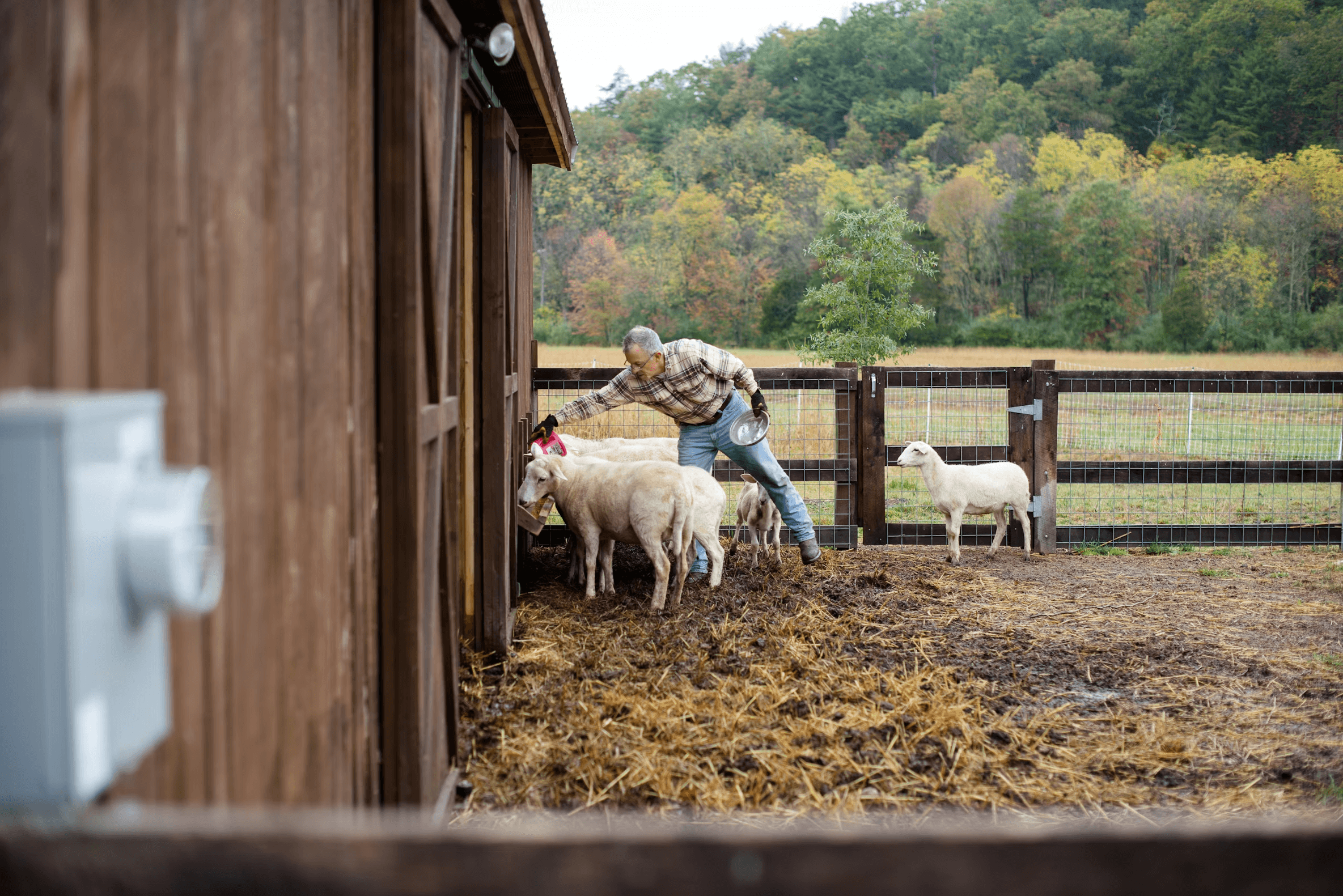
Sheep give you wool. They need more grazing room than goats, but they take less daily handling and are generally easier tempered. Ewes lamb in spring, so a small flock grows itself.
Any rural community will likely be able to support hives of bees, as they naturally pollinate all of your garden plants. Hives require very little space and can produce enough honey for both your family's consumption and for you to sell.
If your land is large enough, you can raise larger livestock, such as cows, pigs, alpacas, and llamas. It takes more land, more fencing, and requires a lot of work to manage larger animals, but they can provide lots of meat (cows) and/or meat (pigs), provided you have planned properly and have enough space available.
| Animal | Space guidance | What it gives you |
|---|---|---|
| Laying hens | 3 to 4 sq ft coop per bird, about 10 sq ft of run | Roughly six eggs a week at peak, plus meat and manure |
| Rabbits | Hutch space; quiet and low odor, workable on small lots | Meat and high-nitrogen manure you can use without composting first |
| Quail | Least space of any poultry | Eggs quickly, on a short generation cycle |
| Dairy goats | About 10 sq ft of shelter floor per adult, 5 sq ft minimum | Milk, plus brush clearing |
| Sheep | More grazing room than goats; about 0.27 animal units per ewe | Wool, meat, lambs each spring |
| Bees | A few square feet per hive | Honey, wax, and pollination across the whole garden |
| Cattle | Varies enormously with rainfall; one Oklahoma range example runs about 8 acres per cow-calf pair | Beef, milk, and grass converted to protein |
In plain English
Animal Unit (AU)
The standard forage-demand yardstick: one 1,000 pound dry cow. One animal unit eats about 26 pounds of dry forage a day, 780 pounds a month. A 175 pound ewe is about 0.27 AU and a 120 pound nanny goat about 0.20 AU, so roughly four ewes or five does eat what one cow eats. Use it to size a herd against what your ground actually grows.
Animal Care Essentials
In order for animals to survive successfully, they must have a proper nutritional supply and care from you. One of the most important things you can do for your animals is provide them with a safe, secure place to live where they cannot be eaten by predators; this means building a safe, secure home for your animals in which they are not at risk of predation by local wildlife such as coyotes or foxes, or hawks.
To ensure that your animals will continue to produce, you must provide them with adequate food, water, and regular veterinary care. In addition, good waste (manure) management and good sanitation practices will help to minimize the spread of disease among your animals as well as improve your overall flock or herd management practices. Finally, you will want to comply with all applicable local animal welfare laws.
Planning for animal care is important if you plan on going on vacation or experiencing an emergency. For example, if you are away from home, who will feed your chickens? How will you milk your cows? These are things that should be thought out before you acquire your animals.
Gardening Potential: What Can You Grow?
The amount of food produced from your garden will be determined by the size of the garden. Many people do not think about how much space they actually need. However, a properly planned-out garden can provide all the food needed for both your family and livestock, and support the long-term health of your soil. If you take a strategic approach to designing your garden, you'll see the benefits.
Start with Your Climate and Soil
Many rural areas, especially in places such as New Mexico or Nevada, will require work to prepare them for planting; those regions typically have rocky soils, clay soils, or pure sand soils, none of which will grow well without amendments. The Ozarks and other similar locations also have difficult soils and will require soil amendments.
You should test your soil first; cheap soil tests can be performed through your county extension service. Once you receive the test results, you will know both the pH of your soil and what nutrients your soil is lacking. This will allow you to fix the problems with your soil, instead of just guessing where the problems are.
Top Homestead Crops
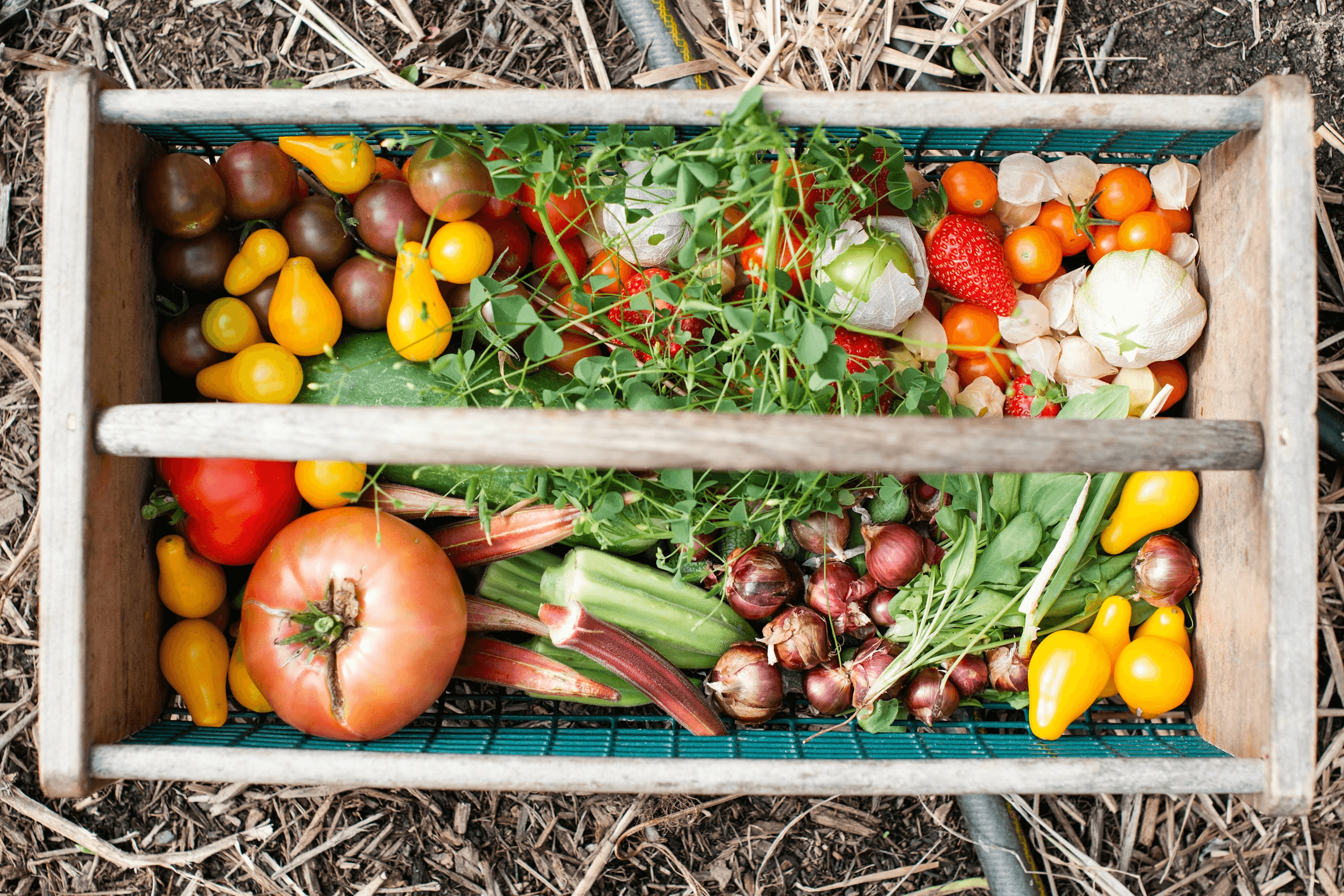
First, concentrate on your primary storage crops. Potatoes, beans, winter squash, corn, and carrots all have excellent long-term storage capabilities. Combined, they offer your entire family year-round food security. If stored properly in a dark and cool location, these crops can last months.
You can improve the fertility and drainage of your soil over time by amending it occasionally with compost, mulch, and organic matter. However, you should realize that the first year may not produce any miracles and that developing healthy soil takes time and persistence.
Garden staples such as tomatoes, beans, radishes, and carrots can be easily grown each year. These vegetables have quick turnarounds and are sweet when eaten raw. You can get several dozen pounds of tomatoes from just one plant. Any excess harvested can be saved by canning or freezing it.
Perennial/annual herbs such as basil and oregano also contribute to the culinary diversity of your vegetable garden by naturally flavouring food. Other types of perennial crops, like asparagus or rhubarb, come up every spring without needing to be replanted. This makes them an ideal choice for long-term food sources for those who have an overall plan for their homestead.
There are many uses for sunflowers. First, they produce seeds that can be used for food both by you and by chickens. You can also process the seeds into oil. Second, sunflowers attract pollinators, which aid in pollinating many other plants. Finally, sunflowers are a beautiful sight in the wind.
Planting fruit and berry plants will yield fruit each year. If you have space, you can plant some apple trees, some pear trees, or berry bushes like strawberries or blueberries. Fruit trees will take time to mature; therefore, it is a good idea to plant them early. On the other hand, berry bushes like raspberries and blueberries will produce berries within 2-3 years after planting.
Soil Health and Water
Composting garden and animal waste creates organic amendments that add nutrients to the soil. The manure from chickens, pigs, cows, and goats can all be composted alongside your garden waste, kitchen scraps, and leaves to create a high-quality compost that will feed your garden.
You should not send garden waste to the landfill. Every plant that dies, and each weed that is removed, will provide nutrients for the following year's plants. Pile your garden waste and allow it time to decompose before returning it to your garden - this process is free of cost and will provide excellent fertility to your soil.
You can also use mulch to keep the soil moist and to suppress weeds. Mulching over with materials like straw, leaves, or wood chips will reduce the amount of water needed for your plants and will keep the soil temperature constant. Your plants will require less maintenance and will thrive as a result.
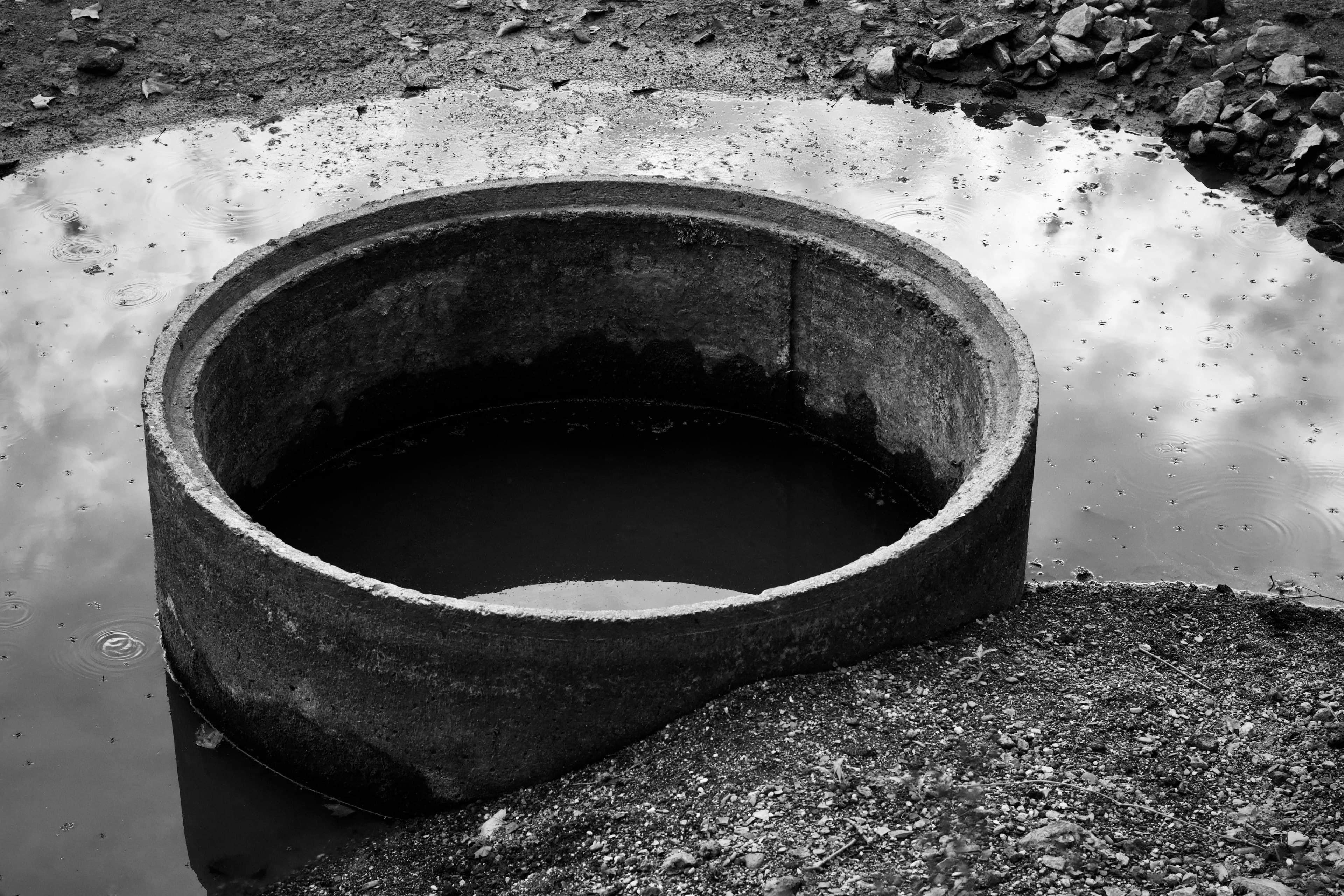
If you live in a rural area, it may not be possible for you to connect to the city water system for your garden; therefore, you should consider using a rain cistern to collect rainwater from your roof and use that water to irrigate your plants. Using drip irrigation is an efficient way to deliver water directly to the roots of your plants without wasting water.
Setting Up a Self-Sufficient Lifestyle
Build systems that carry themselves. The goal is not a 16-hour workday forever. It is a homestead that feeds your family without breaking your back, and that comes from planning the pieces so they work together rather than adding chores one at a time.
Start Small and Scale Up
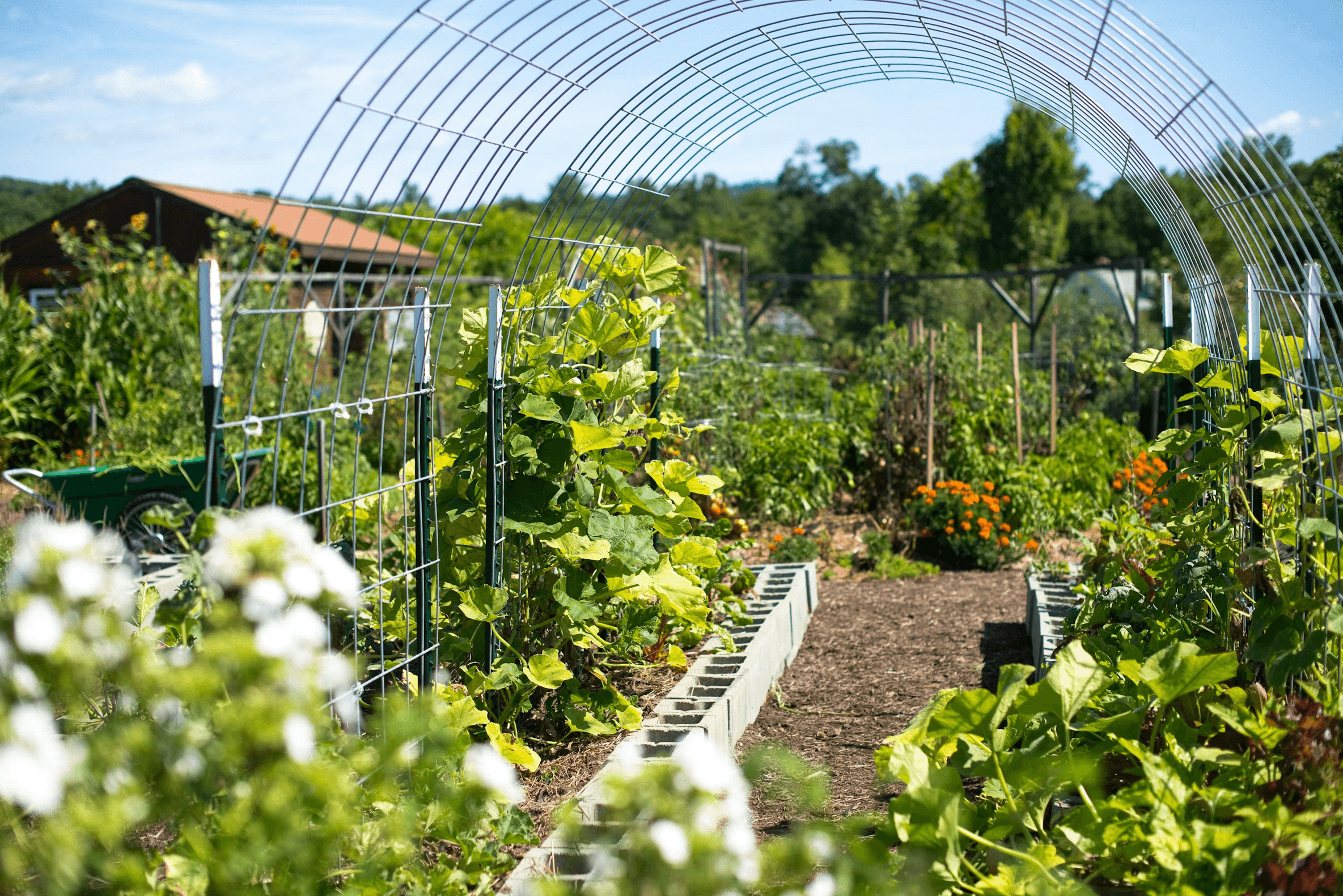
Don't attempt to try to do everything all at once; start with a small number of animals and also start with a small garden. Get comfortable with these before moving on to pigs, cows, or many trees. Each season teaches you many valuable lessons.
Be realistic about how much ground food actually takes. University of Georgia Extension suggests roughly one tenth of an acre of garden per family member if you intend to can and freeze a real share of your vegetables. That is about 4,300 square feet a head. A 20 by 30 foot bed will give a family plenty of fresh salad and tomatoes through the summer, but it will not fill a pantry. Plan the small bed first, then expand once you know what your soil and your schedule can actually carry.
You will make mistakes, animals will die, and plants will fail; that is a natural part of life. Small failures allow you to learn without breaking your bank account or defeating you. Learn from your mistakes and make adjustments each season so that you can be more successful the following season.
Key Elements of Self-Sufficiency
Build a wide range of living things into your property (animals, plants, etc). Create a system where all the pieces are interconnected and help one another. For example, our chickens eat the bugs we get in our garden, and the chicken manure helps grow our plants; when we have extra veggies, they become feed for the chickens, so everything is working together.
You will need to develop DIY skills. Learn basic carpentry, plumbing, and mechanical repair skills. You will need these when building and maintaining coops, fences, food storage systems, etc., on your property. Rural properties are typically an hour or longer away from hardware stores; being handy could potentially save you time and money.
Canning, dehydrating, fermenting, and freezing foods will extend your growing season by many months. Learning how to preserve food will allow you to have access to food from your garden when it’s covered with snow.
Renewable resources reduce reliance on outside utilities. Consider solar panels for electricity. Wood stoves heat homes using wood from your property. Rainwater catchment systems provide water independence. These investments pay off over time.
Resilience is built through barter and connecting with your community. Trade extra eggs, vegetables, or skills with your neighbors. Rural community life is easier when everyone is working together. By trading your extra tomatoes, you can receive help repairing a fence or splitting firewood.
Legal and Practical Considerations
Always check local laws before adding animals or new structures. Rules change between counties. What's legal in one place might be banned next door. Ignorance doesn't excuse violations.
If you plan to be out of town for vacation or an emergency, be sure to arrange for the care of your animals. You may want to find some neighbors who will be willing to feed your animals and collect eggs when you are away. You can provide them the same courtesy when they are away from their homes. This is a large part of what makes country living enjoyable.
To keep both your animals and children safe, you will need to use secure fencing and child-proof locks. Animals can escape through surprisingly small openings, and children love to be around animals, so you will want to protect children from being kicked, bitten, or trampled by animals. When building anything related to animal care or child safety, always build it stronger than you think you will need.
Making It Work: Integration and Income
Homesteads that have various kinds of animal farming often have a lot to show for it. Chickens lay eggs, but chickens produce meat for consumption, provide manure for fertilizing your plants, help keep your garden pest-free, and are often very entertaining!
When homesteading with chickens, you will spend much less on feed because chickens are natural foragers. You may have to give them some grain, but they will require less grain than chickens kept in confinement. In general, free-range chickens produce tastier eggs than those raised in confinement.
Pigs will convert garden waste and kitchen scraps into meat. To encourage rapid growth, feed your pigs some more zucchini, substandard tomatoes, and squash that got too big to serve. You can also feed them whey from making cheese. Three pigs can provide enough meat to feed a family of four for one year.
Depending on their breed, cows can produce both meat and milk. Dairy cows produce several gallons of milk every day, while beef cows turn grass into protein in a very effective manner. Cows require a lot of land and a lot of fencing, regardless of whether they are producing dairy or beef.
You might want to consider other kinds of income from your homestead. You can sell fresh eggs, milk, meat, produce from your garden, or flowers to sell at farmers' markets. You can also make value-added products, such as jam, pickles, or baked goods, which can be sold for a premium price. You can start your business out of your hobby.
Flowers are not just for decoration. You can make good money selling cut flowers, such as zinnias and dahlias. Weddings provide a venue to sell bouquets and arrangements with surprising income. Additionally, cut flowers attract pollinators that will increase the overall production of food from your garden.
Fruit trees and berry bushes can be a long-term investment. After the trees and berry bushes are established, they will continue to produce for many years with minimal maintenance. You will be able to eat what you want as it becomes available, preserve what you want, and sell anything you have available beyond what you want to use. Additionally, trees increase the overall value of your property.
Seasonal Planning and Long-Term Success
Spring marks the beginning of the planting season; so, you’d better place your order for seeds as quickly as possible while there’s still variety available to you. You need to start your indoor transplants before the last frost, and have everything you need in place to create your garden beds by the time the soil is suitable for cultivation.
You will spend the summer watering, weeding, and harvesting, then canning and freezing what comes in. Once the crop is put up, attention shifts to getting your animals ready for the breeding season.
Traditionally, fall has been a time for harvesting and getting ready for the winter. Canning, freezing and storing your food will sustain you long into the winter months, giving your animals the correct housing for colder months and stockpiling your firewood so you have enough for the winter seasons.
In winter, you can work on planning out your next year’s garden, you can order seeds from the gardening catalogs and for every project you have planned for the next year, you should be doing research for by reading books and watching the newest videos from the internet; you can be repairing your equipment and buildings so you are ready for the arrival of spring.
Keep up with successful homesteaders by watching the newest videos from them; most of the time, successful homesteaders work together to teach each other new techniques and provide knowledge on how to butcher animals, how to design a garden, and how to care for animals. Technology has improved the way of life in rural communities, making it easier than ever to connect with individuals living in similar circumstances to you.
Finding Your Perfect Homestead Land
It’s difficult for most individuals to acquire inexpensive homesteading properties. Land located closer to urban centers is much too overpriced. However, land is available that provides a great deal of value in the rural West and South. There are many low-priced properties, particularly well away from the metro areas.
Look for properties that offer owner financing, which lets you buy without a bank and usually without a credit check. Down payments on our parcels typically run $150 to $175, with monthly payments typically $150 to $250 on terms of 60 to 96 months. Each payment builds your equity in the land rather than going to a landlord.
When developing your homestead, you will be working on a raw piece of land. Raw land has lower overall costs compared to lots with established infrastructure. You will need to create your own infrastructure (access, utilities, etc.), but doing so will give you complete freedom in how you design your homestead. You will not have to deal with any restrictive covenants or neighbors who don’t want you to have chickens.
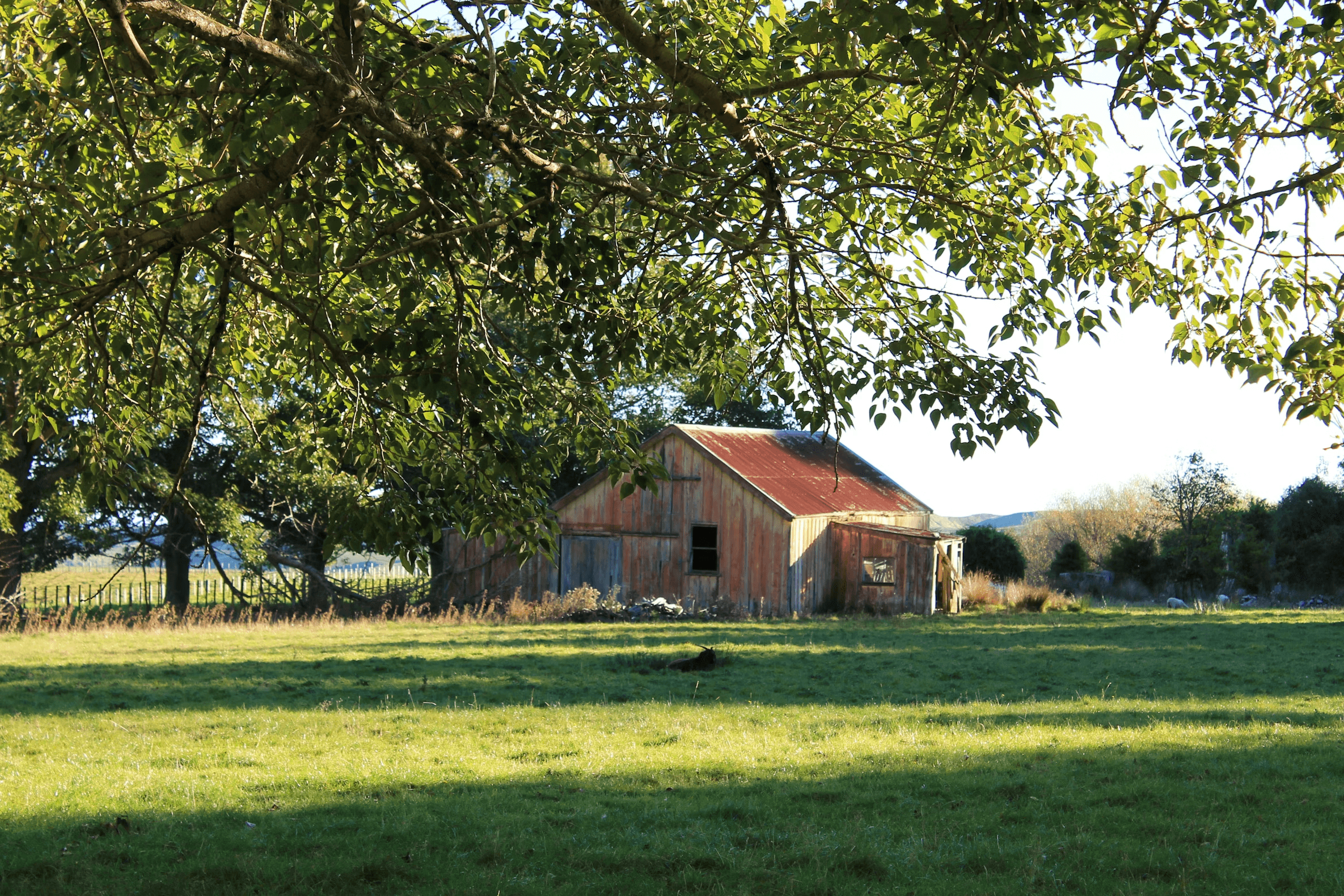
Most rural homes are located about one hour away from cities that have a Walmart or a Home Depot. This distance provides not only more privacy but also lower prices. It is far enough away to experience the tranquility of true country living, but close enough that you can get all of your supplies when you need them.
In many rural areas the utilities were never run. You may have no power poles at the road, no city water, and no sewer line. That sounds daunting at first, and it does cost money, but it also means you get to build the systems that actually suit the place. Solar for power, a well or cistern for water, and a septic system for waste are how most homesteads here solve it.

The dirt road leading to your homestead is not an issue for true homesteaders, as it reduces traffic and helps keep property prices down. If you have a 4X4 vehicle, you can traverse almost any dirt road with ease. The peaceful and quiet nature of the truly rural lifestyle outweighs any inconveniences associated with the dirt road.
Rural areas may see growth in the future. Properties that are located near a metropolitan area with substantial growth will typically increase in real estate value as the city expands. Your homestead will be a great investment in the future, even if you never sell it. Land values move with the area around them, and nobody can promise you a direction.
Your First Year, In Order
Most homesteads that stall out do the right things in the wrong sequence. Somebody buys goats before they have fence, or breaks ground on a garden before they know what the well permit allows. Work through it in this order and you will spend less money fixing mistakes.
First-year sequence
Call the county planning office.
Ask what animals are allowed, how many, what setbacks apply, and what you may legally live in while you build. Our zoning guide covers what to ask.
Find out what your water permit allows.
In some states a small parcel gets indoor use only. Read our water rights guide before you plan a garden or livestock.
Get your soil tested through the county extension office.
Clemson's lab, for example, runs a standard test at $6 a sample. Amend based on the result, not a guess.
Sort out access, power and waste.
Solar, a well or cistern, and a septic system. See utility costs on rural land and our septic guide.
Fence before you buy animals.
Every single time.
Start with six hens and a 20 by 30 bed.
Run one full season. Then scale.
If you want to think through acreage before you buy, we wrote a separate piece on how much land you actually need for a small farm. And if you are wondering whether you can start building while you are still making payments, the short answer is yes, and the long answer is here.
Your Homestead Journey Starts Now
Having a homestead with livestock and a garden on your property can be a reality with some careful planning, persistence, and practical knowledge. By starting with a few chickens and a simple garden, expanding as you gain experience and build up your confidence, you can eventually have a thriving homestead.
Your family will eat much healthier food than you could ever buy from the store because you will get to eat fresh eggs harvested daily, along with homegrown vegetables and pasture-raised meats, which all have amazing flavor. You will also know everything that goes into producing each meal.
Your health will be better due to working hard physically on your own property and having access to healthy foods, while living in rural areas is less stressful than living in an urban area. Your children will learn responsibility by caring for livestock and growing plants; they will carry these lessons throughout their whole lifetime.
There is a demand for individuals who grow food and livestock for consumption. The homesteading you participate in helps provide secure access to food in your community. You will also be part of a growing trend toward being self-sufficient and sustainable while providing much-needed access to food for your family.
Owner financing makes rural land reachable without a bank, a credit check, or a 20 percent down payment. Do not wait until everything is perfect, because nothing ever is. Start with what you have, where you are. Each season moves you closer.
Your homestead is beside you; your chickens need their houses, your garden needs to grow, your land needs to be cared for by you, and your family will benefit from homesteading in terms of health, relationships, and reasons for living. So start now!
Where to Start Looking
Homestead ground is not the same as a building lot, and the things that make it work are not the things a listing photo shows. What matters is water, access, what the county allows, and whether the soil will grow anything. Our homestead land parcels are listed with what we know about each of those, and where we do not know something, we say so.
Every parcel is backed by the Peace‑of‑Mind Guarantee, and the 365-Day Property Exchange lets you trade into a different parcel within the first year if you picked wrong. Current inventory is on the listings page.