In this guide
The Sky Most People Never Get to See
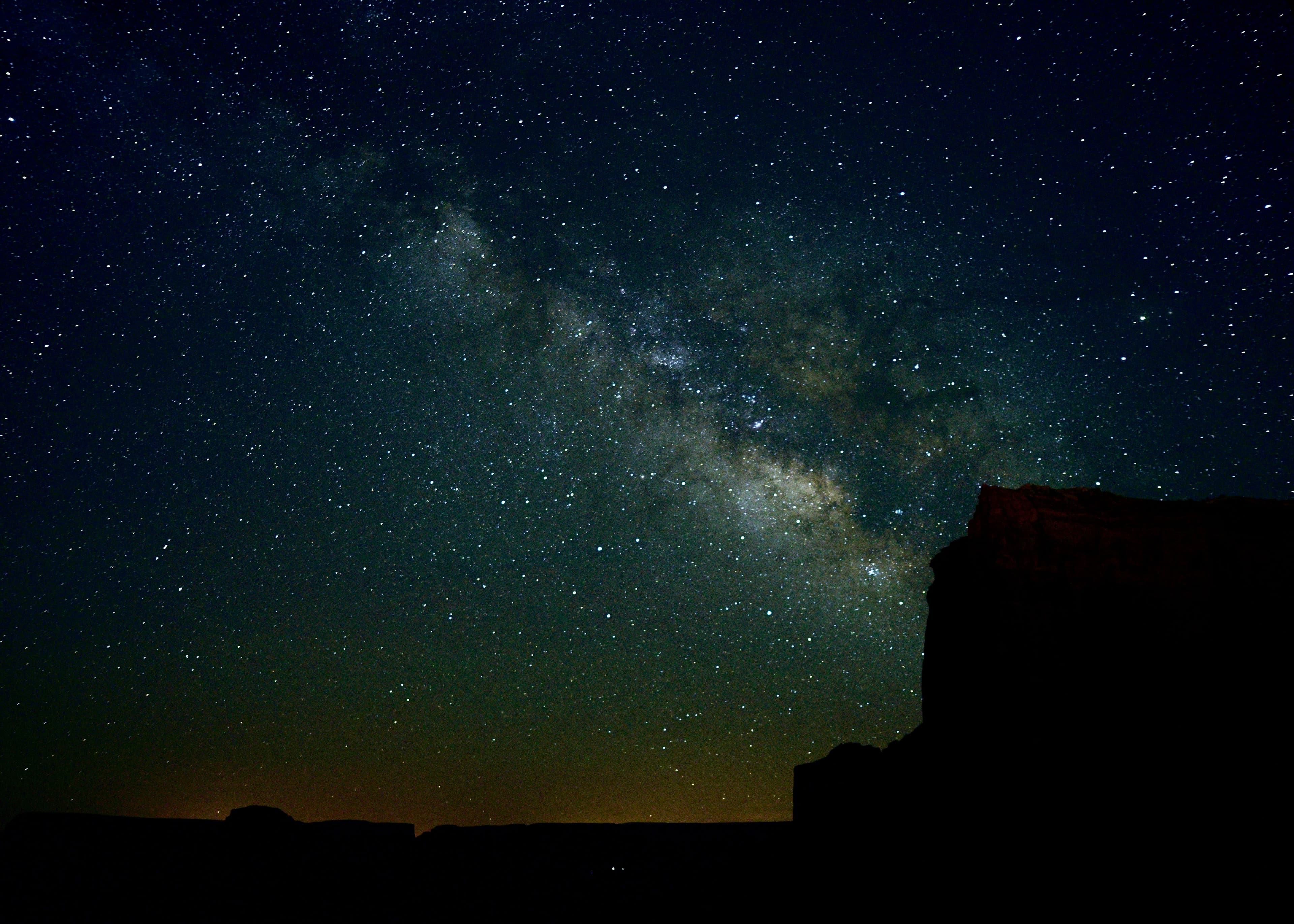
Somewhere back there you probably pulled off a dirt road at night, got out, let your eyes adjust for ten minutes, and looked up at something you had never actually seen before. Stars packed so thick they stopped looking like stars. The Milky Way running corner to corner like somebody spilled it. Then you drove home and it was gone.
Here's the part that catches folks off guard. For most of this country it isn't coming back. The nearest sky like that is already a long drive, and the drive gets longer every year. So the question I get is where the dark is still real, and whether a regular family can own a piece of it.
Amateur astronomer, weekend camper, off-gridder, fella who just wants a lawn chair and a thermos and not one single porch light in view? Let me lay it out plain. Here's where the dark still is, what makes one parcel better than the next, and what it costs to put your boots on ground where the stars show up.
Why the Dark Is Running Out
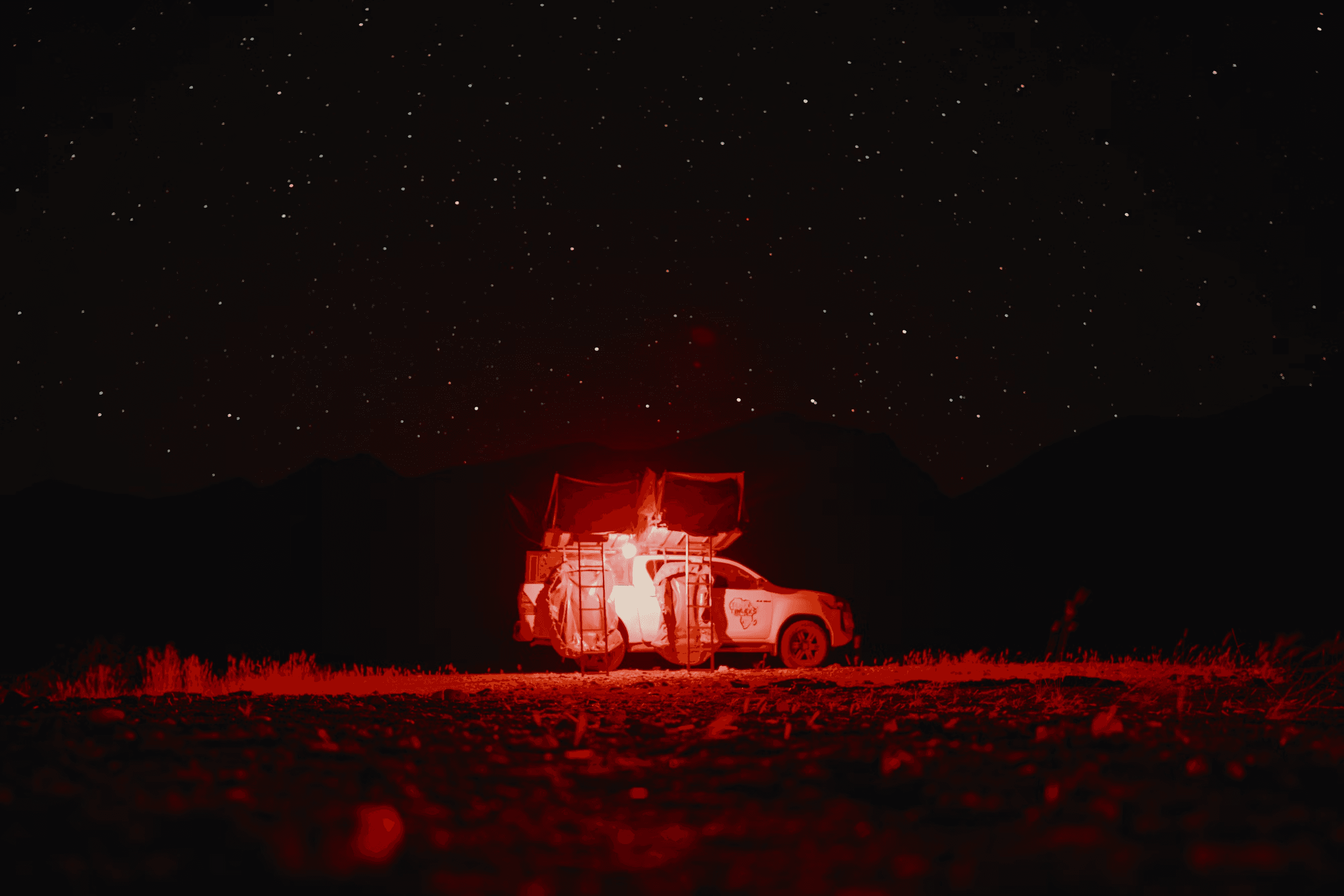
Light pollution isn't a vague worry, it's a map that keeps shrinking. The world atlas of artificial night sky brightness put more than 80 percent of the world's population and more than 99 percent of the United States and Europe under light-polluted skies. The Milky Way is hidden from more than a third of humanity, and from nearly 80 percent of North Americans. If you grew up in an American city, the odds are you have never seen it from home.
The reason is plain and it isn't reversing. Every new subdivision brings street lights. Every new distribution center brings a parking lot lit like a runway. The glow pushes out from town in a dome, and the dome gets wider each year. Ground that had a clean horizon fifteen years ago has a faint orange smudge on one edge of it now.
That's why buyers who care about this stop asking where to visit and start asking where to own. A park can get crowded or change its gate hours. Ground with your name on the deed doesn't.
West Texas: Big Bend and Marfa Country
If you only look at one region, look here. The country around Big Bend and Marfa sits between 4,000 and 5,000 feet, the air is bone dry most of the year, and the nearest real city is hours off in any direction. Clear nights are the rule rather than the exception, and when it's clear out there it's genuinely dark, not just darker than home.
The Park Service measured it and said so. Its Night Sky Team puts the Big Bend region at the darkest measured skies in the Lower 48, and the park has carried Gold Tier dark-sky certification since 2012. The McDonald Observatory sits up in the Davis Mountains north of there, which tells you what the professionals think of that air. The counties around it carry dark-sky lighting ordinances, and there is so little development that the ordinances hardly have to work. Own ground in that stretch and you are under the same sky the observatory points its mirrors at.
This is also where our own inventory runs heaviest. Our West Texas parcels sit in Hudspeth and Culberson counties, west of the park and a long way from El Paso's glow. Browse what's available in West Texas.
Nevada: The Great Basin's Empty Middle
Nevada is the emptiest state in the Lower 48 outside Alaska, and the Great Basin is the emptiest part of Nevada. Elevations run 6,000 feet and up, the air is dry, and you can drive an hour between towns that have a gas station. Great Basin National Park is a certified International Dark Sky Park, and the ground around it shares that sky without sharing the parking lot.
I'll be straight with you on one thing. Nevada is the region on this list where we carry the least land, so if the Great Basin is specifically what you're after, talk to a Land Specialist early instead of waiting on a listing to show up. What we do have in Nevada is here.
Oregon: The Biggest Dark Sky Sanctuary on Earth
Here's the one most people have never heard of. In March 2024, DarkSky International certified 2.5 million acres of Lake County, Oregon as an International Dark Sky Sanctuary, and it is the largest one in the world. Phase one by itself is about half the size of New Jersey. When the remaining phases finish it will cover more than 11.4 million acres, inside what DarkSky calls the largest unbroken dark sky zone in the Lower 48.
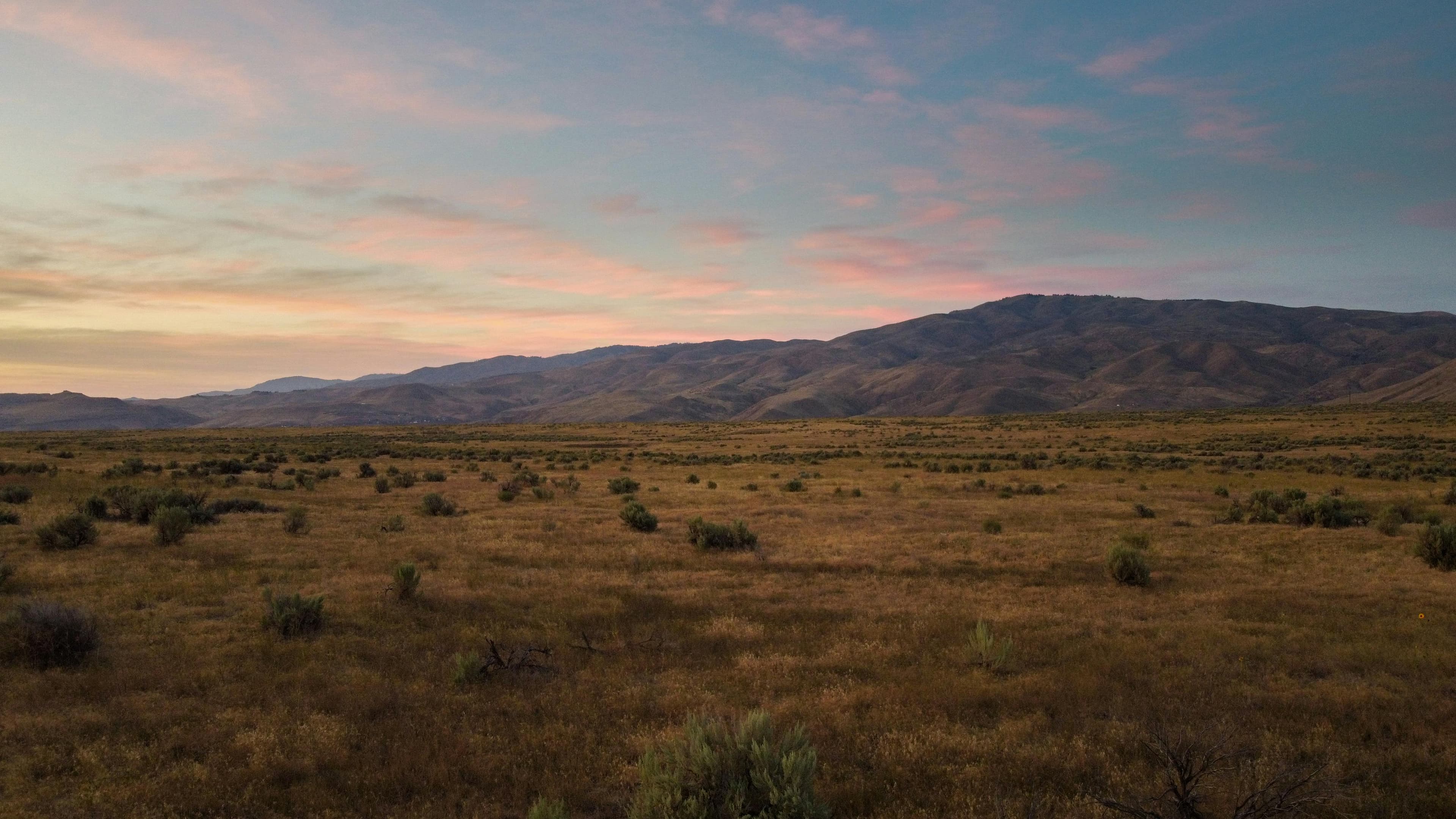
The country out there runs 4,000 feet and up and it is high desert dry. Sagebrush, rimrock, alkali flats, and long empty gaps between anything that counts as a town. It is the part of Oregon nobody pictures when they think of Oregon.
The sanctuary itself is mostly public ground, so nobody is selling you a parcel inside the line. What you can own is private land under that same sky, the same arrangement as Great Basin. Our Oregon ground sits in Klamath and Lake counties. Klamath Falls throws its own glow the way any town does, so the dark is east and southeast of it, out past Sprague River and toward the Lake County line. Browse Oregon.
The High Desert: Arizona, New Mexico, and Colorado
Northern Arizona runs 5,000 to 7,000 feet across the plateau country, with long gaps between towns and mesa country that looks like another planet under starlight. New Mexico's high ground gives you the same dry air, and outside Albuquerque and Santa Fe the population thins out in a hurry. Both states still have pockets the stargazing crowd hasn't picked over, which mostly shows up as land priced under the equivalent view in Texas.

The trade-off in both is monsoon season. July and August bring afternoon buildups and haze that can shut down a week of viewing. Plan around it and you've still got eight or nine good months.
Colorado's San Luis Valley belongs on this list too, and it is the highest ground here by a wide margin. The valley floor sits around 7,500 feet, the Sangre de Cristo range walls off the glow from the Front Range cities, and Great Sand Dunes National Park on the east side of the valley has been a certified Dark Sky Park since 2019. The superintendent's line when it was certified was that the park has some of the darkest skies measured in the West. Our Colorado ground is down in Costilla County, the south end of that same valley.
Browse Arizona, browse New Mexico, and browse Colorado to see what's standing right now.
What Makes a Parcel Good for Stargazing
Four things matter. The rest is preference.
In plain English
Bortle class
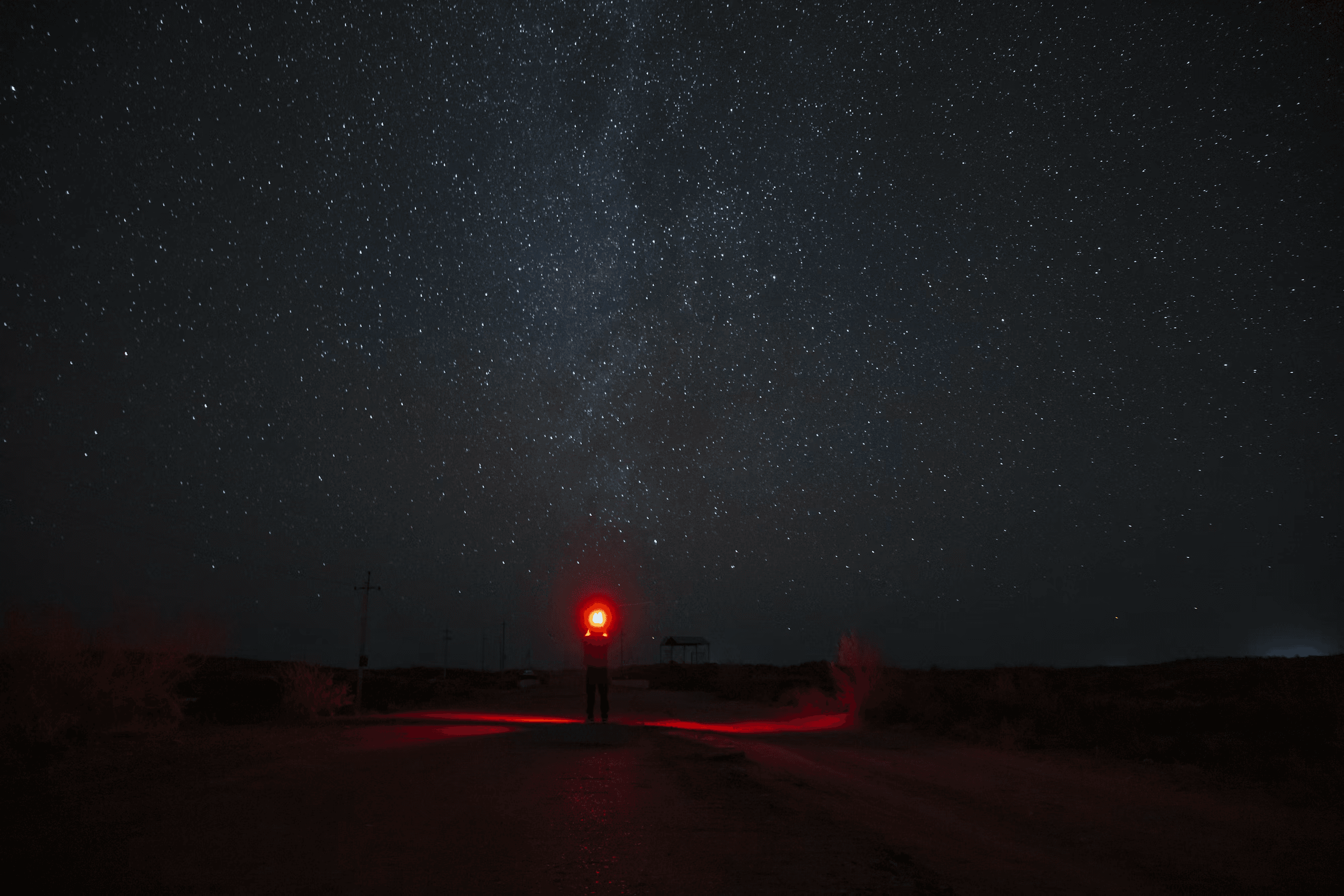
A 1 to 9 scale for how dark a night sky actually is. Class 1 is the darkest sky on earth, dark enough that the Milky Way casts a shadow on the ground. Class 3 is rural sky, where the Milky Way is still impressive but the finest detail is gone. Class 5 is suburban. Class 8 and 9 are city sky, where the Milky Way simply is not there.
FormalCreated by amateur astronomer John E. Bortle and published in Sky & Telescope in February 2001. The scale rates a site by what the unaided eye can actually detect, which is why it is the common language among observers rather than a brightness meter reading.
Elevation. Higher means thinner air and less water vapor between you and the sky. A parcel at 5,000 feet shows you more than the same parcel at 2,000 feet, every clear night, no exceptions.
Dry air. Water vapor scatters light, which is why the intermountain West wins this and the Southeast doesn't, no matter how rural you get down there.
Distance from town glow. This is the one people underestimate, so here's the rough math.
| Distance from town | What you'll see | Sky quality |
|---|---|---|
| 5 miles | Obvious glow across the horizon | Poor |
| 15 miles | Noticeable glow, low stars washed out | Fair |
| 30 miles | Faint glow, good viewing overhead | Good |
| 50+ miles | Almost no dome, the real thing | Excellent |
A flat spot. You need level ground to set a tripod or a pier. It doesn't have to be the whole parcel, just somewhere to stand.
Access matters here the same as on any parcel. Check the access question before you fall for a view, because a dark sky you can't reach in February is a dark sky you'll visit twice.
What It Costs to Get In
Banks mostly won't finance a small rural lot. The loan is too small to bother with and vacant land doesn't fit their underwriting, so owner financing is how this land actually changes hands. We own the parcel, we finance it directly to you, and there's no credit check anywhere in it.
Here's what starting looks like on a typical parcel.
| What | Typical figure | Notes |
|---|---|---|
| Down payment | $150 to $175 | Sometimes lower on a less expensive lot |
| Doc fee | $250 on most parcels | Shown on every listing, collected with the down payment |
| Monthly payment | $150 to $250 on most lots | Larger acreage runs higher |
| Term | 60 to 96 months | No prepayment penalty |
| Credit check | None | Your word and your first payment |
Figures as of September 2026. Every parcel shows its own down payment and doc fee on its listing, and the listing is the number that governs.
So a family gets onto desert ground for somewhere around $400 to $425 to start, and a payment in the neighborhood of a phone bill. Every terms sale carries our Peace‑of‑Mind Guarantee, a 100-day window to change your mind and get your principal back as long as you're current. Here's how the guarantee works.
What You Can Set Up, and When
The honest answer comes in two halves, so here's both.
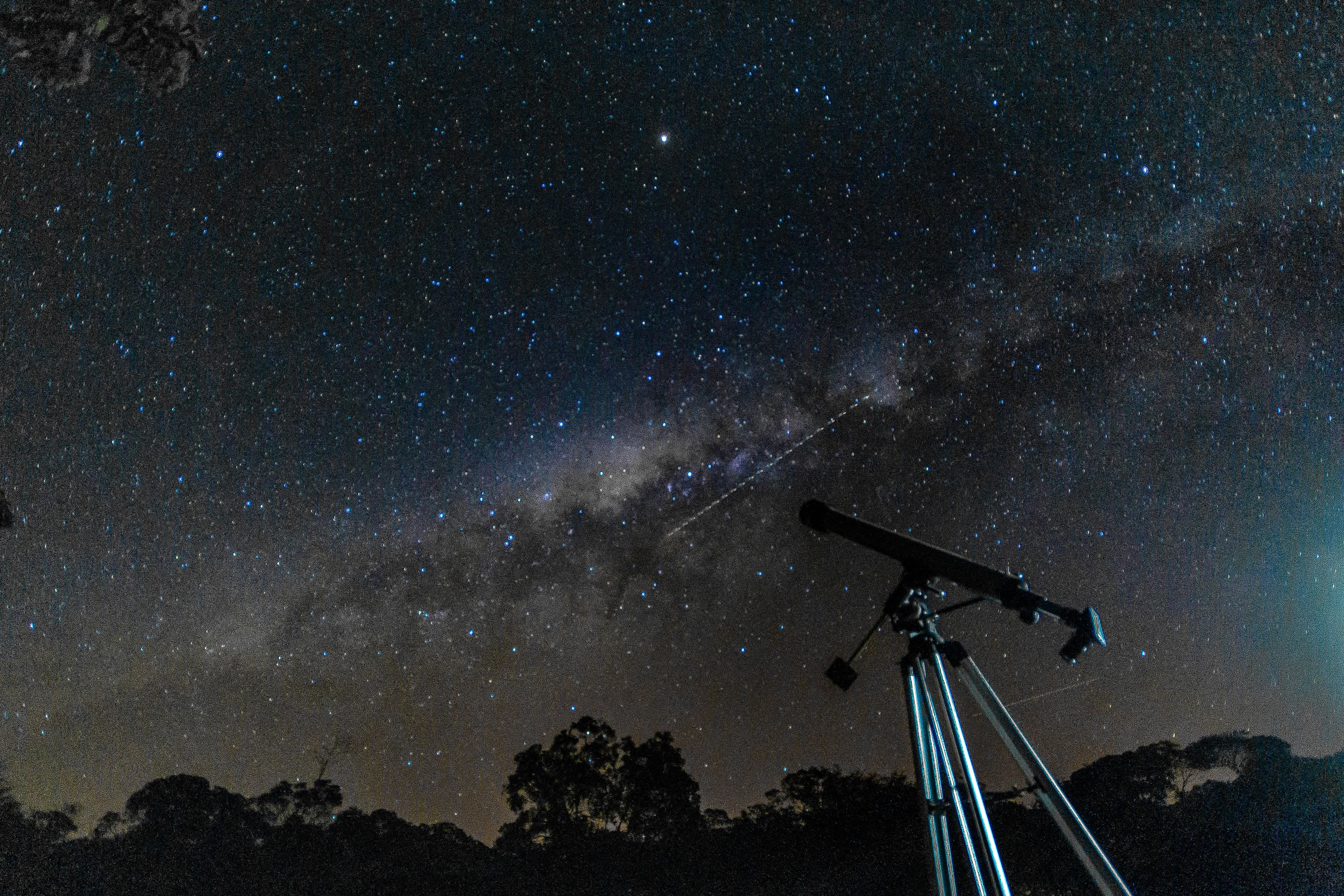
Day one, on your contract. Camp. Park the RV for a stay. Pitch a tent, set a tripod, run a battery and a portable panel, build a fire ring, sit out all night. Recreational use starts with your contract, not with the deed. Our guide on using your land while you're still paying for it covers the specifics, and if a camper is the plan, the RV setup notes are worth ten minutes.
After title transfers at payoff. A poured telescope pier, a framed observatory shed, a cabin, a well, septic, a permanent solar array. Anything you're bolting to the ground waits until the deed is in your name. That's how owner financing works everywhere, not just here, and most stargazers are years out from wanting any of it. A tripod and a truck bed cover the first few seasons fine.
One habit worth building early is red light only. White and blue light wrecks your dark adaptation for twenty minutes or more, so a cheap red headlamp does more for your viewing than a better telescope would, and whatever light you do use stays pointed at the ground.
When to go. Two things decide your night, and the moon outranks the season. Go within a few days of a new moon, because a bright moon washes out the Milky Way the same way a town does and no amount of elevation fixes it. On the season, the bright core of the galaxy, the part in every photograph, rides the southern sky from roughly June through August. Winter in the high desert gives you the coldest, driest, clearest air of the year, but what is overhead then is the fainter outer band, not the core. Spring and fall split the difference. Monsoon haze is an Arizona and New Mexico problem in July and August rather than a regional one. Meteor showers run on a schedule you can plan a trip around, and there is something to being on your own ground for the Perseids instead of fighting for a pullout with forty other cars.
If off-grid is the longer plan, start with our off-grid land pages and the honest pros and cons.
Find Your Land
If you've been chasing dark skies on weekend drives and thinking someday about a place of your own out there, the math is friendlier than most people expect. Most of our parcels start with a down payment in the $150 to $175 range, a $250 doc fee on most of them, and a payment that won't reorganize your budget. No bank, no credit check, and you can be set up in a lawn chair underneath it the weekend after you sign.
Every person who came before you knew that sky by heart. It's still up there on a clear night, and it's still possible to own the ground you stand on while you watch it.
The dark is not a feature anybody is adding more of. Every year the map of it gets a little smaller and the drive to reach it gets a little longer.
Ground under a sky that still works is the one piece of this you can actually hold on to. Go stand under it first, then decide.